
Things To Know About Attic Insulation Replacement
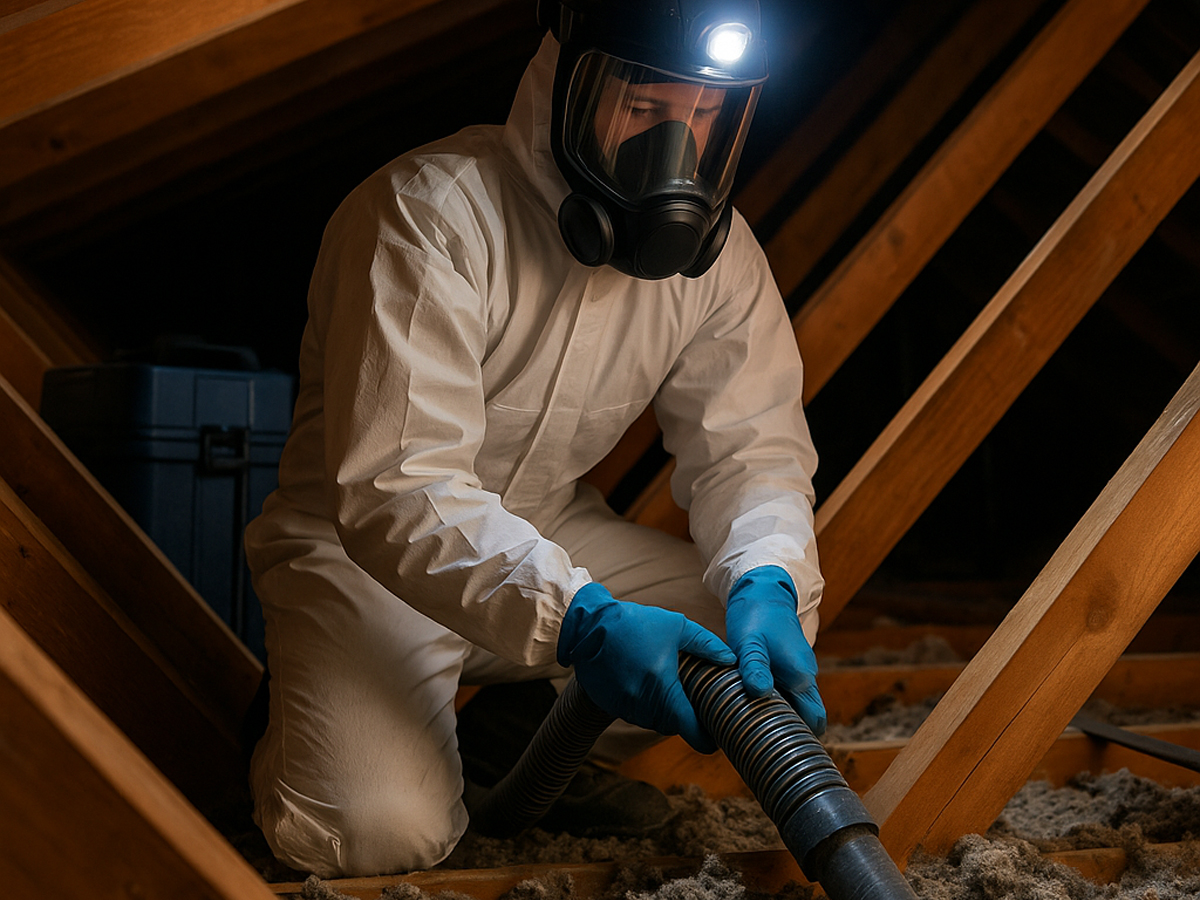
Attic insulation replacement is one of the most effective ways to improve a home’s energy efficiency, comfort, and indoor air quality. Before replacing insulation, it’s important to understand the condition of the existing materials. Old insulation can become compressed, damp, infested with pests, or contaminated with mold, which reduces its effectiveness. If insulation is wet or shows signs of mold or rodent activity, removal is usually necessary before new material is installed. In some cases, however, dry and intact insulation can be left in place and supplemented with additional layers. 911 Hazmat Clean Up provides attic insulation replacement in Roseville, CA, Sacramento, CA, Livermore, CA, Modesto, CA, Stockton, CA, Folsom, CA and surrounding areas.
Another key factor is choosing the right insulation type. The most common materials include fiberglass batts, blown-in cellulose, and spray foam. Fiberglass is affordable and widely available, while cellulose is eco-friendly and performs well at blocking air leaks when densely packed. Spray foam provides the best air sealing but is significantly more expensive and often requires professional installation. Homeowners should also consider the recommended R-value for their climate zone, which indicates insulation’s resistance to heat flow. Adding enough insulation to meet or exceed local energy-efficiency guidelines will maximize benefits.
Air sealing is an essential part of attic insulation replacement. Gaps around vents, ducts, wiring, and framing can allow warm air to escape into the attic, reducing insulation performance. Sealing these leaks before adding new insulation helps ensure consistent indoor temperatures and prevents moisture problems. Proper ventilation is equally important. An attic needs balanced intake and exhaust ventilation to avoid condensation, humidity buildup, and damage to structural components.
Homeowners should also evaluate safety concerns, such as asbestos in older homes or knob-and-tube wiring, which requires special handling. Finally, deciding between DIY and professional installation depends on the homeowner’s comfort level, the complexity of the job, and the need for specialized equipment. While DIY projects can reduce costs, professionals ensure proper removal, sealing, and installation for long-term performance. Should you have any questions, feel free to give us a call.